

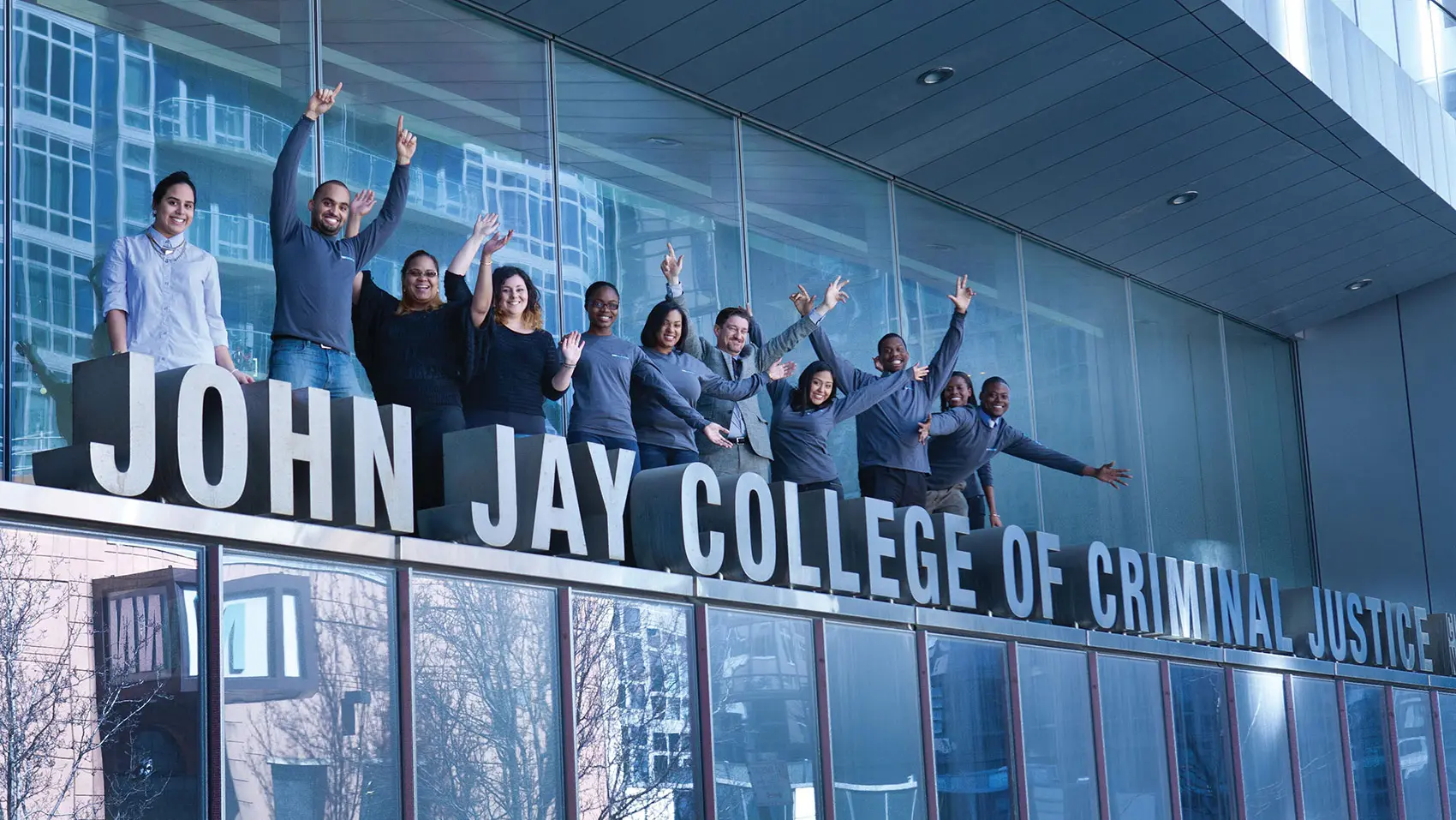
The figure the governor's office led with on Tuesday, October 20, was 3.2 percent. That was the preliminary rise in fall enrollment across the City University of New York, the system's fourth consecutive annual increase. It came with a longer arc attached, about 253,000 students in all, nearly 12 percent more than in 2022, or roughly 27,000 additional people taking classes at CUNY's community, senior and graduate colleges.
The October 20 announcement highlighted several sharp growth areas across the system:
-
Community & Graduate Programs: Both expanded by 5 percent overall, driven by 9 percent gains at Bronx Community College and Borough of Manhattan Community College.
-
Graduate Enrollment: Expanded to nearly 31,000 students.
-
CUNY Reconnect: The tuition-free adult program enrolled 9,786 learners—up nearly 50 percent from fall 2025.
"Rising enrollment at CUNY makes clear that access to a quality, affordable education remains more important than ever," Chancellor Félix V. Matos Rodríguez said.
Enrollment answers one question for a student deciding where to go, which is whether other people are choosing the same place. It does not answer what happens to them once they arrive. New York City publishes that second set of numbers every year in its Mayor's Management Report, and the fiscal 2026 edition puts five years of CUNY outcomes side by side.
What the City's Report Measures
The CUNY chapter of the fiscal 2026 Mayor's Management Report tracks headcount, retention, graduation, financial aid and tuition from fiscal 2022 through fiscal 2026. Its headcount runs on a different calendar from the governor's fall count, which is why the two do not match. The city puts total enrollment at 243,389 in fiscal 2022, 225,881 in fiscal 2023 and 246,503 in fiscal 2026, a four percent rise in the most recent year alone.
The community colleges carry most of that growth in both sources. City figures show their headcount climbing from 67,584 in fiscal 2023 to 81,883 in fiscal 2026, a seven percent rise in the latest year, with first-time freshmen at the community colleges up 10 percent. First-time freshmen at the senior colleges, by contrast, have barely moved, from 21,787 in fiscal 2022 to 22,543 in fiscal 2026.
More Students Are Staying
The strongest numbers in the report sit in the first year. Among full-time, first-time freshmen in associate degree programs, the share who returned the following fall rose from 59.1 percent in fiscal 2022 to 68.7 percent in fiscal 2026, with the largest single jump coming in the final year, up from 61.5 percent. In baccalaureate programs, the same fall-to-fall retention rate climbed from 81.0 percent to 85.4 percent over the five years.
Students in the Accelerated Study in Associate Programs, known as ASAP, the CUNY initiative that pairs full-time enrollment with advising, tuition gap coverage and transportation help, showed the same direction. Their one-year program retention rose to 65.5 percent in fiscal 2026 from 61.9 percent the year before. The report states it directly: "The one-year retention rates of freshmen pursuing associate and baccalaureate degrees both increased."
Fewer Are Finishing on Time
Graduation runs the other way. The six-year systemwide graduation rate for baccalaureate students was 62.0 percent in fiscal 2022, then 61.9, 60.0 and 57.9 percent, and 56.6 percent in fiscal 2026, a decline in each of the four reports since the first year listed. The six-year rate for associate students moved from 38.9 percent to 35.5 percent across the same span, with one uptick along the way.
The ASAP three-year graduation rate, long the program's headline number, was 44.0 percent in fiscal 2022 and 34.5 percent in fiscal 2026, down from 38.5 percent the year before. The city's report attributes the six-year declines to two causes. It says they "are still affected by the COVID-19 pandemic disruption," and adds that they "also reflect changes in the freshman class composition." Six-year rates in fiscal 2026 describe students who first enrolled about six years earlier, whose college years ran through the pandemic, while retention figures describe the classes that arrived most recently.
Reading the two trends together
The retention gains and the graduation declines describe different groups of students, so neither cancels the other. The freshmen behind the fiscal 2026 retention figure posted the best second-year return rate in the five years the report lists. Whether they finish at a higher rate will not show up in a six-year figure for years, and the city's report does not project it.
The Price Has Not Moved
Through all five years, full-time annual tuition for New York State residents stayed at $4,800 at CUNY community colleges and $6,930 at the senior colleges, according to the report. Fees, books, transportation and living costs are not included in those figures and vary by campus and household.
Financial aid reached more community college students over the same period. The share receiving a federal Pell Grant moved from 55.6 percent in fiscal 2022 to 58.6 percent in fiscal 2026, after peaking at 59.9 percent the year before. The share receiving a state Tuition Assistance Program grant rose every year, from 25.7 percent to 41.8 percent.
For adults outside the traditional pipeline, the free option has grown as well. Reconnect covers community college tuition for New Yorkers ages 25 to 55, and starting in spring 2027 it opens to people who already hold a degree, which we explained in our guide to the Reconnect expansion.
Graduate students are part of the same story. The governor's office said graduate enrollment of nearly 31,000 now sits above pre-pandemic levels, and the 5 percent graduate gain matched the community colleges. State Senator Toby Ann Stavisky, who pointed to Reconnect in the same release, framed the push around adults returning to school: "Changing careers or enrolling for the first time takes courage, and cost should never stand in the way."
How to Use These Numbers Outside New York City
CUNY is a city system, but the questions its data raises apply to every public campus in the state. SUNY has not yet released its fall 2026 count. When the state announced SUNY's fall 2025 figures on November 18, 2025, systemwide enrollment was up 2.9 percent and community college enrollment was up 5.0 percent, also lifted by Reconnect, with state-operated campuses up 1.2 percent.
A student comparing a SUNY community college in the Southern Tier with a CUNY campus in the Bronx or a private college upstate can ask each one for the same three figures the city publishes for CUNY. The first is the share of full-time freshmen who return for a second year. The second is the share who finish an associate degree within three years or a bachelor's within six. The third is the full cost of attendance after grants, which is the number that decides whether a lower tuition turns into a lower bill. Students still applying this fall can also cut the cost of the search itself, using the free application windows in our guide to SUNY, CUNY and private college fee waivers.
Each of those figures lives in public reports, from the Mayor's Management Report for CUNY to campus institutional research pages across SUNY, and an admissions office should be able to point to them. The governor's release called this fall's growth "only the beginning." The class that arrived in September will start writing its own retention number when spring registration opens.



Comments (0)
No comments yet — be the first to share your thoughts.
Leave a comment