
Summary: The New York State Department of Labor (NYSDOL) and the New York Power Authority (NYPA) have launched a $7 million initiative to power the next generation of clean energy workers. Through the Office of Just Energy Transition (OJET), the Growing the Clean Energy Workforce – Electric Vehicles (GCEW-EV) program will fund training and pre-apprenticeship programs specifically for electric vehicle (EV) and charging station maintenance. A critical focus of the grant is on equity, requiring that at least 35% of participants reside in Disadvantaged Communities (DACs). Applications are open until June 5, 2026, with a mandatory applicant workshop scheduled for May 4, 2026, to guide eligible organizations through the process.
As New York State accelerates toward its ambitious climate goals, the rubber is officially meeting the road, or more accurately, the wrench is meeting the electric motor. The New York State Department of Labor (NYSDOL) recently announced a significant $7 million funding opportunity that aims to solve one of the biggest "chicken and egg" problems in the green economy: we can’t have a fleet of electric vehicles without a massive, highly skilled workforce to keep them running.
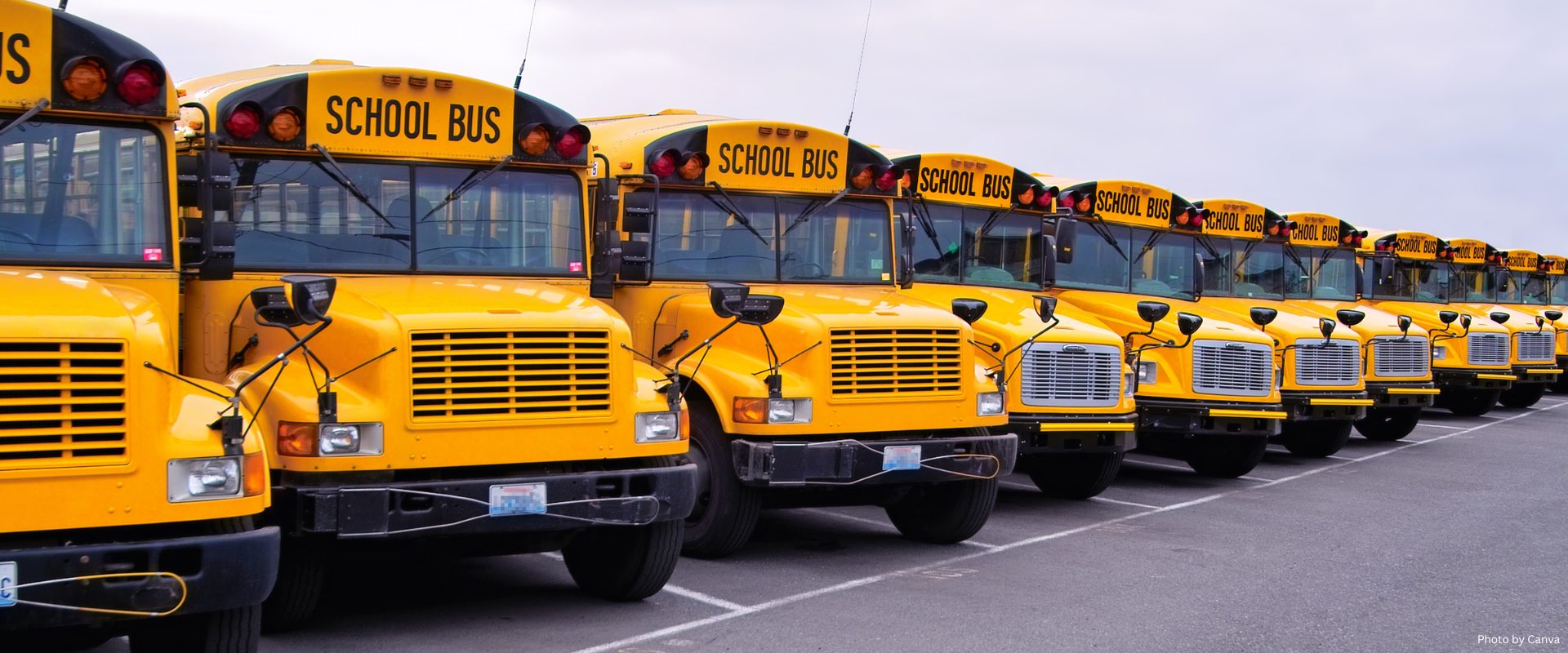
This funding, managed by the Office of Just Energy Transition (OJET) covers the maintenance and repair of light, medium, and heavy-duty electric vehicles, including the state’s rapidly expanding fleet of electric school buses. For the educational community, this represents a key component in the process to ensure that the transition to zero-emission student transport is supported by local, reliable experienced technicians.
This $7 million investment is the result of a robust partnership with the New York Power Authority (NYPA). Under the GCEW-EV Request for Applications (RFA), the state is targeting organizations that can either create brand-new training programs or expand existing ones.
The timing is anything but accidental. With New York’s mandate that all new school buses purchased must be zero-emission by 2027, school districts and private contractors are staring down a massive logistical shift. This grant ensures that the "Help Wanted" signs for EV technicians won't go unanswered.
"This funding is about more than just repairing engines; it’s about ensuring that New York’s transition to a clean energy economy is 'just,' meaning it creates family-sustaining jobs in the communities that need them most," according to the NYSDOL OJET mission statement.
What sets the GCEW-EV grant apart from a standard workforce development program is its unwavering commitment to equity. To be eligible for funding, applicants must submit a Disadvantaged Communities (DAC) Attestation Form, committing that at least 35% of their enrolled participants will be individuals residing in DACs as defined by the Climate Justice Working Group.
This ensures that the economic benefits of the green transition are not limited to wealthy suburbs but are felt in the urban and rural areas that have historically took the hit with pollution and disinvestment. By training workers from these communities to repair the very electric school buses that will be driving through their neighborhoods, the state is creating a closed loop of environmental and economic health.
What the Funding Covers
The awards are structured to be accessible to a variety of organizations, from small non-profits to large BOCES programs. Award amounts are scaled based on the size of the applicant:
Small Applicants (2-50 employees): Up to $275,000
Mid-Sized Applicants (51-100 employees): Up to $375,000
Large Applicants (101+ employees): Up to $500,000
The grant allows for an additional $100,000 specifically for the purchase of equipment. This comes in handy for schools and training centers that need to invest in battery lift tables, thermal cameras, and specialized EV diagnostic tools that are significantly more expensive than traditional combustion engine equipment.
Furthermore, the funds can be used for wraparound services support like transportation, childcare, and personal protective equipment, which are often the missing pieces that allow a student to actually complete a training program.
The transition to an electric school bus fleet is a massive undertaking. Unlike a diesel bus that any local mechanic can tinker with, an electric bus requires knowledge of high-voltage systems and complex software.
The GCEW-EV program specifically lists EV fleet maintenance as a priority. This means school districts or BOCES programs could potentially partner with training providers to "upskill" their existing mechanics, ensuring that as the new buses arrive, the staff is ready to handle them. This proactive approach helps mitigate the "unfunded mandate" fears expressed by some local lawmakers, as reported by NYSenate.gov.


Comments (0)
No comments yet — be the first to share your thoughts.
Leave a comment