

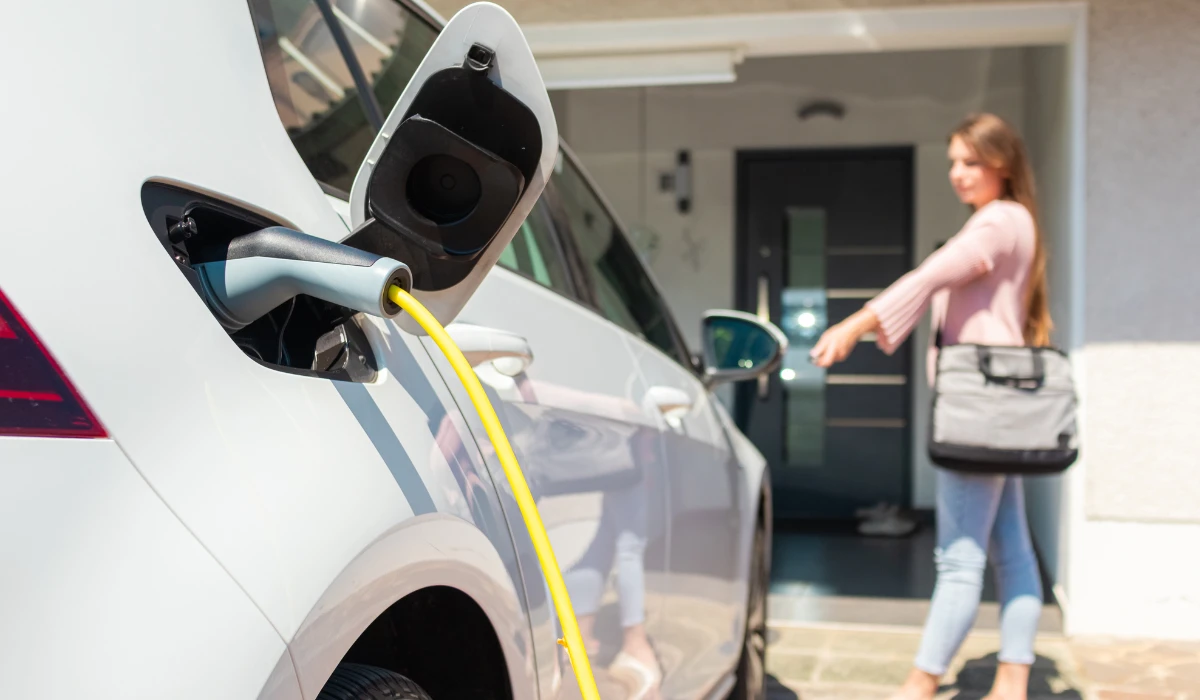
New York State has taken a significant leap forward in preparing for an all-electric transportation future. With the passage of Senate Bill S1736E and its Assembly counterpart, the Empire State now requires new residential and commercial buildings to include electric vehicle (EV)-ready parking spaces and charging stations starting April 1, 2025. This landmark legislation ensures New York's infrastructure evolves alongside rising EV adoption and furthers its commitment to reducing carbon emissions. The full legislative text and amendments for Senate Bill S1736E can be found on the New York Senate website and the New York State Assembly portal .
What the Law Requires
Beginning April 1, 2025, all new construction projects, residential and commercial, must comply with specific EV infrastructure requirements. The law does not apply to existing buildings or parking lots unless they undergo renovations that reclassify them as new construction under local code.For Residential Properties:
- One-to-three-family homes must include at least one EV-ready parking space per dwelling unit.
- Multi-family buildings are required to ensure 100% of parking spaces are EV-ready, with 20% of spaces equipped with Level 2 chargers upon completion.
For Commercial Buildings:
- Any newly constructed commercial facility with more than 10 parking spaces must provide 20% EV-ready spaces, with 10% having operational Level 2 or DC fast chargers.
Amplifying the Impact: New York City's Local Law 55
While S1736E targets statewide development, New York City has taken an additional step with Local Law 55, aimed at increasing EV adoption in the urban core. By 2035, existing parking garages in NYC with 10 or more spaces must:- Have 20% of parking spaces equipped with active EV chargers
- Have 40% of spaces prepared with EV infrastructure (conduit, wiring, etc.)
- 20% of parking spaces must have EV chargers
- 60% must be EV-ready



Comments (0)
No comments yet — be the first to share your thoughts.
Leave a comment