

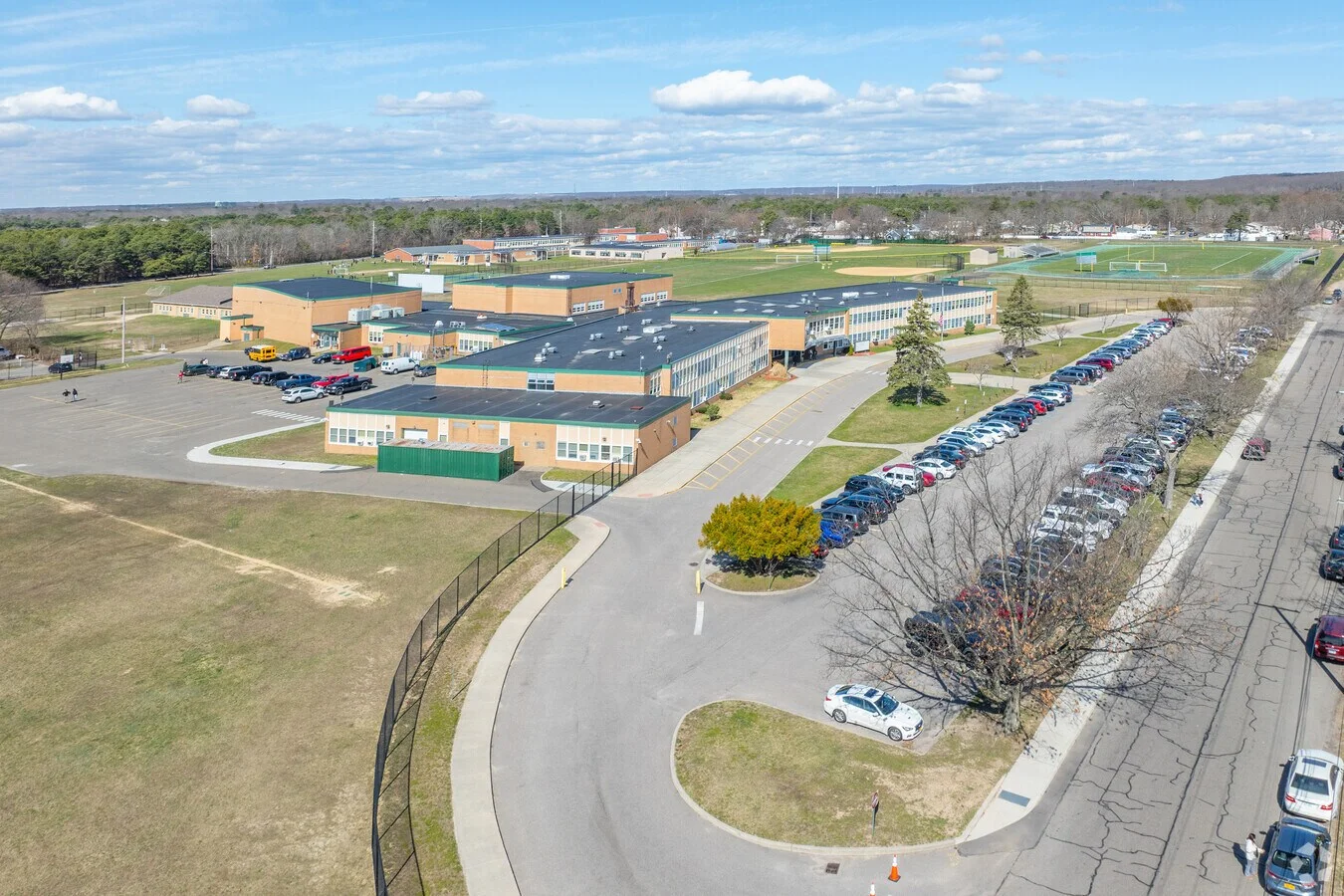
New York's school monitor system became more concrete on Long Island this week. On August 25, State Education Commissioner Betty A. Rosa appointed veteran educator Dr. Lorna R. Lewis as academic monitor for the Wyandanch Union Free School District, adding a second state-appointed official to a district that has operated under fiscal monitoring since 2020.
Lewis will work alongside Albert Chase, whom the New York State Education Department appointed as Wyandanch's fiscal monitor in April 2020. Her appointment begins Monday, August 31, according to reporting by Newsday. The result is a monitor team with authority reaching into both the academic and financial sides of district decision-making as Wyandanch begins the 2026-27 school year.
The timing also makes Wyandanch relevant far beyond Suffolk County. One day before NYSED announced Lewis's appointment, The Standard NY reported that Buffalo Public Schools could also come under a state monitor, either through pending legislation or action by the education commissioner. Buffalo's situation remains unresolved, but Wyandanch now offers a live example of what expanded state oversight can look like once it moves from discussion into district operations.
The change in Wyandanch was authorized by Part WW of Chapter 58 of the Laws of 2026, which permits the commissioner to appoint up to two monitors to provide oversight, guidance and technical assistance involving the district's educational and fiscal policies, practices, programs and decisions. The law makes the monitors non-voting ex officio members of the Board of Education and gives them access to board meetings, including executive sessions, as well as district records, electronic systems and planning documents, subject to state and federal privacy laws.
That authority is broader than the title "academic monitor" might suggest. The monitor team must work with the Board of Education on a long-term strategic academic and fiscal improvement plan, and the 2026 law requires that work to address academic achievement, operations and finances together. Three public hearings are required within 60 days of the monitor team's appointment, including separate opportunities for public comment on the district's fiscal performance and academic performance.
The law also puts the district's next budget directly inside that oversight structure. Wyandanch must submit its proposed school budget to the monitors by March 1 before the annual budget vote. The monitors review whether the spending plan is balanced and consistent with the long-term improvement plan, then present their findings to the Board of Education and the commissioner. If the commissioner determines that amendments are necessary to comply with the approved plan, the district can be required to change the proposed budget before it reaches voters.
The monitors also have authority to disapprove district-paid travel outside New York State, recommend cost-saving measures such as shared-service agreements, assist with disputes involving the superintendent and board, and notify the commissioner when the district is violating part of the approved improvement plan. The district must provide quarterly academic, fiscal and operational reports to the monitors, while the monitors must submit semiannual reports to state leaders.
For Wyandanch, that creates a direct link between what happens in classrooms and what appears in the financial plan. The district's fiscal monitor was originally appointed during a period of serious financial instability. In 2020, NYSED said Chase would provide oversight and technical assistance over the district's fiscal policies, practices and decisions, review budgets and help develop a financial plan. Six years later, the state has decided that fiscal monitoring alone is no longer the full structure it wants in place.
Lewis arrives with nearly five decades in education. According to NYSED's August 25 announcement, she began as a science teacher and later served as superintendent in Malverne, East Williston and Plainview-Old Bethpage, as well as deputy superintendent in Three Village. She retired from the Malverne superintendency in June 2025. Lewis also served as president of the New York State Council of School Superintendents, becoming the first woman of color to hold that position.
In an interview after the appointment, Lewis framed the assignment around student outcomes rather than state control. "Every student deserves a first-class education," she told Newsday. Superintendent Erik Wright also told families that Lewis would work with district leadership and the Board of Education to strengthen academic programs and improve outcomes.
That focus helps explain why New York changed the law. The state's monitor structure is not limited to Wyandanch. NYSED currently identifies state monitor programs in East Ramapo, Hempstead, Mount Vernon, Rochester and Wyandanch. The specific powers vary by district and statute, but the basic model places state-appointed officials inside local governance without giving them a regular board vote.
Wyandanch's new structure goes further by making academic and fiscal recovery part of the same required planning process. That matters because a district can balance a budget without solving weak academic performance, just as an academic intervention can become unsustainable if staffing, transportation, special education or program costs are not built into a credible multiyear financial plan. Part WW forces those conversations onto the same document and the same timetable.
The first major test comes quickly. The law calls for the Board of Education, working with the monitors, to develop the long-term strategic academic and fiscal improvement plan no later than November 1, 2026. If the board and monitors disagree, the disputed provisions and proposed amendments can move to the commissioner, who has authority to approve the plan with changes.
That is the part other New York school boards should watch. A monitor does not replace the superintendent or cast votes as an elected trustee, but the position changes who sees the district's information, who reviews its budget assumptions, who can elevate disagreements to Albany and how closely academic promises must match financial capacity.
Buffalo is not Wyandanch, and any monitor there would operate under the authority ultimately used for that district. Still, the sequence is difficult to ignore. On August 24, state monitoring was a live question in Buffalo. On August 25, New York added an academic monitor to an existing fiscal oversight structure in Wyandanch. For districts facing persistent financial, academic or governance problems, the distance between local difficulty and formal state supervision is no longer theoretical.



Comments (0)
No comments yet — be the first to share your thoughts.
Leave a comment