
Opinion
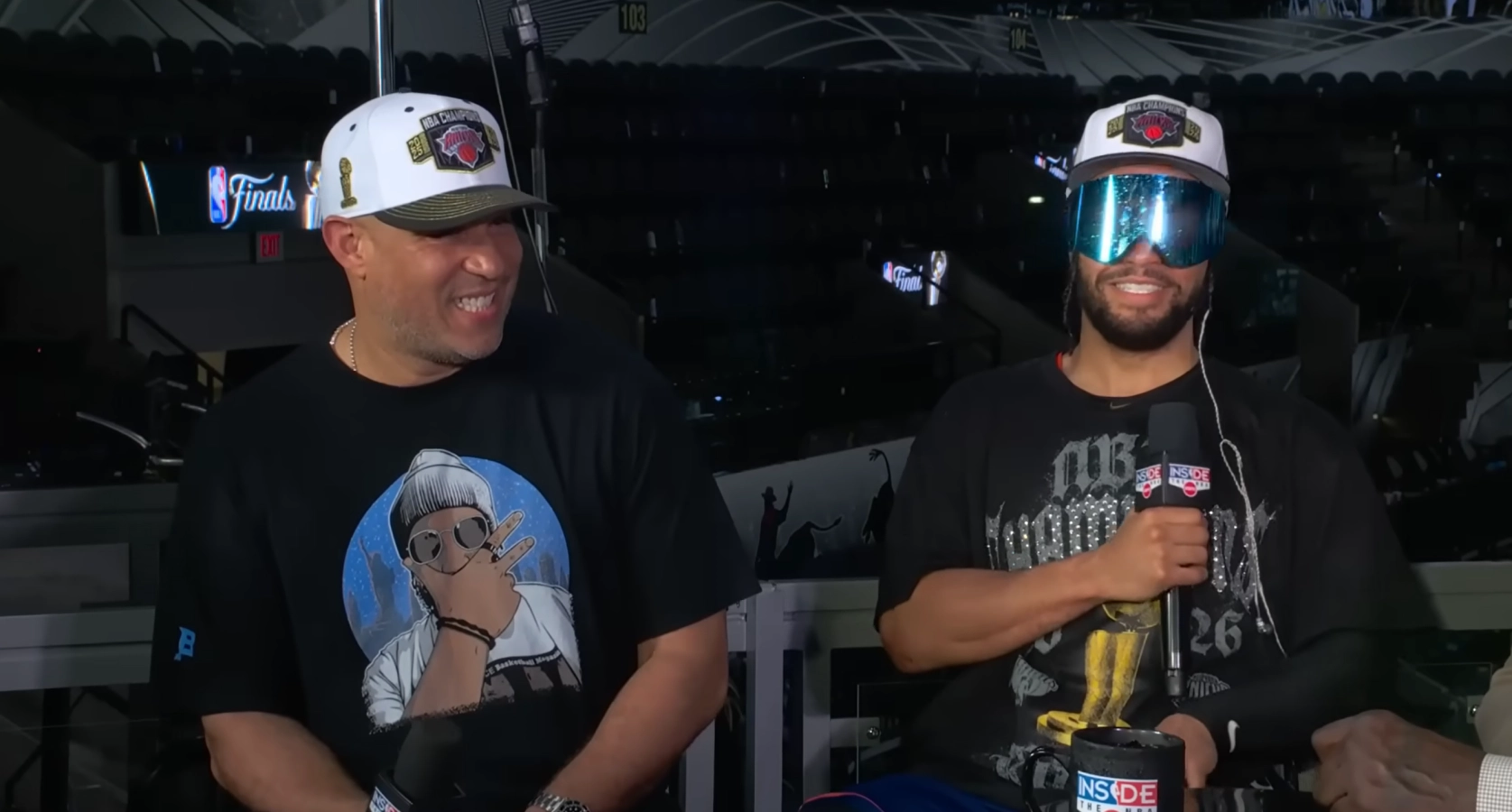
The confetti was still falling when the moment happened. A father and son sat side by side on the set of Inside the NBA, fresh off the kind of night most families only dream about. The son had just scored 45 points, been named Finals MVP, and ended a 53-year championship drought for one of the most storied franchises in sports. And when the conversation turned to whether that son had become the greatest player in his team's history, the father, asked to weigh in, made a choice. He said he loves his son. Then he named someone else.
"I love my son," Rick Brunson said of Jalen Brunson, the new face of the New York Knicks. "Patrick Ewing is the greatest Knick I've ever witnessed."
He has every right to that opinion. Patrick Ewing is a Hall of Famer, an eleven-time All-Star, and a player Rick Brunson once shared a locker room with, so he is speaking from real experience. The basketball debate is legitimate and reasonable people will land in different places. But this column is not about basketball. It is about a quieter question that a lot of parents felt in their stomachs watching that exchange, even if they could not name it right away. It is about the right words at the right moment, and what it means to protect our children when the cameras are on and the lights are bright.
Here is my honest take. A parent is allowed to have a favorite player, an honest critique, and a tough-love streak. What I keep coming back to is the timing and the setting. In the single biggest professional moment of his son's life, sitting right next to him, in front of millions of people, that was the window a father chose to publicly rank his own child below someone else. Privately, at the kitchen table, that debate is healthy and even fun. Publicly, in that exact second, it landed differently. Protecting our children is not only about shielding them from strangers. Sometimes it is about being mindful of what we say about them, and when, and who is listening.
I want to be fair, because fairness matters more than a hot take. The Brunsons have a well-documented relationship built on tough love. Jalen has spoken many times about his father being his harshest critic, and Rick has said plainly that being a parent comes before being a coach, even when the two jobs blur together. That dynamic clearly worked. You do not raise a Finals MVP by being soft. And to his credit, Jalen did not melt in the moment. He fired right back later at his own podium, joking about his dad when a host pointed out a Knicks scoring record. The ribbing runs both directions in that family, and the affection is obvious.
So no, I am not calling Rick Brunson a bad father. I am saying something more useful than that. Even good parents, in big moments, can pick the wrong sentence. And because so many of us will never sit on a championship set, the lesson is worth pulling out of the sports world and into the ordinary lives where it actually applies to the rest of us.
There is an old principle that great teachers, coaches, and parents tend to circle back to. Praise in public, correct in private. It is not a rule about hiding the truth from your child. It is a rule about emotional choreography, about understanding that the same words can build a kid up or quietly deflate them depending on the room they are spoken in.
A milestone moment is fragile in a way that does not always show on the surface. When a child crosses a stage, finishes the race, lands the part, or simply does the brave thing they were terrified to do, what they are scanning the crowd for is one face and one signal. They want to know that the person whose opinion matters most saw it, and was proud, full stop, with no asterisk attached. That is not insecurity. That is human. Adults do the same thing in their own milestone moments. We just hide it better.
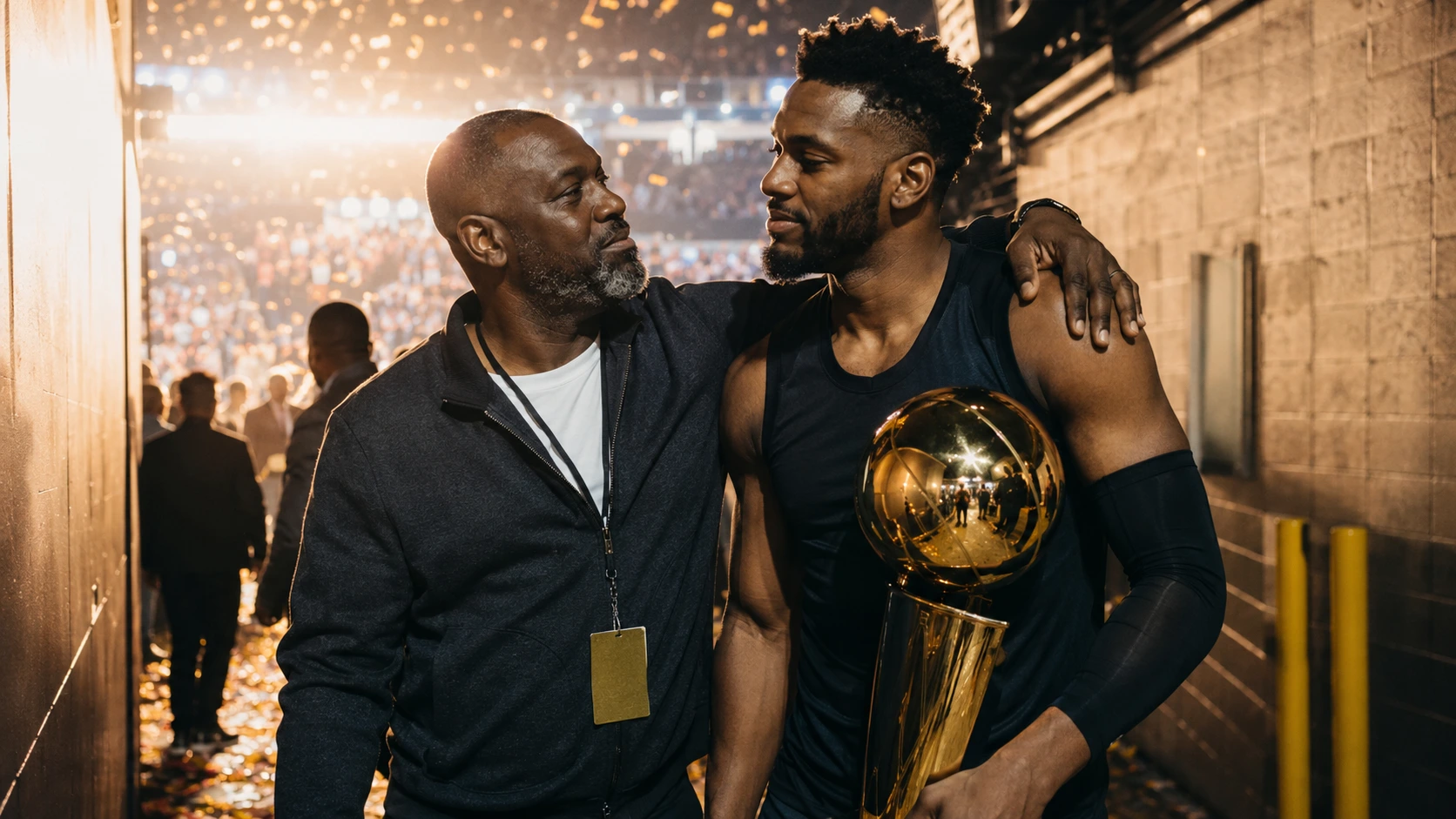
The honest critique can come tomorrow. The film session, the what-you-could-do-better, the reminder that legends came before, all of that keeps. Those conversations are valuable and a loving parent should absolutely have them. But the celebration has a shelf life of about one night, and once you spend it, you cannot get it back. The right words at the right moment are a form of protection, because they guard something you cannot see, which is a child's sense that their biggest wins are allowed to be fully theirs.
It would be easy to file this under celebrity gossip and move on, but that misses the point entirely. Almost every parent has stood in a version of that moment. The recital where you noticed the one wrong note before you noticed your daughter's face. The report card where your eyes went straight to the B and skipped the four A's. The game where the first thing out of your mouth was the missed shot instead of the hustle. The graduation photo you posted with a caption that gently took a shot at the kid standing in the gown.
We live in an age where these moments are no longer private even for regular families. A proud post can reach hundreds of people in minutes, and a child can read every word of it. Parenting in the public eye is not a problem reserved for athletes and celebrities anymore. The phone in your pocket put a small camera and a small audience into every birthday party and every awards night. That raises the stakes on the things we say in front of, and about, our children. This is the same instinct that should guide how we handle our kids in any public arena, a theme we have explored before in our reporting on protecting children when every moment can suddenly go public.
When we talk about keeping children safe, we usually picture the obvious threats, the ones that come from outside the family. Those matter. But a quieter part of emotional safety lives much closer to home. It is built in the thousands of small choices a parent makes about when to push, when to praise, and when to simply let a win be a win. Kids are keeping a running tally, whether we realize it or not, of whether the people who love them know how to be glad for them.
A child who grows up confident that their parent will show up fully proud in the big moments is a child who takes more risks, recovers from failure faster, and trusts the relationship enough to actually hear the hard feedback when it comes. The tough conversations land better precisely because the foundation underneath them is secure. You earn the right to coach by first making sure your child never doubts that you are on their side. That order matters, and flipping it, even with good intentions, can quietly cost you.
None of this means raising children who are allergic to criticism or who expect a trophy for breathing. The goal is not a softer kid. The goal is a kid who can take an honest note without hearing it as a verdict on their worth, and that resilience is built on a base of unconditional affirmation that gets reinforced most in the moments that matter most. For parents working through how to celebrate and correct without undercutting a child's confidence, the team at Family Symposium has built thoughtful guidance on supporting kids through their biggest moments.
Years from now, the Brunsons will be fine. They have a championship, a Finals MVP, and a bond strong enough to survive a little national television teasing. I do not lose sleep over them. What stays with me is the reminder hidden inside that exchange, the one that applies to every parent who has ever watched their child do something extraordinary and felt the urge to add a qualifier.
Resist the qualifier. Let the moment breathe. The greatest gift you can hand a child on their best day is the simple, complete, unhedged message that you saw it and you are proud. The comparisons, the corrections, and the debates about who came before will all still be waiting tomorrow, and they will mean more once your child knows, without a doubt, that on the night it mattered most, you were entirely, joyfully in their corner. That is not weakness. That is the job. And doing it well, in the right moment, is one of the truest ways we protect the people we love most.



Comments (0)
No comments yet — be the first to share your thoughts.
Leave a comment