

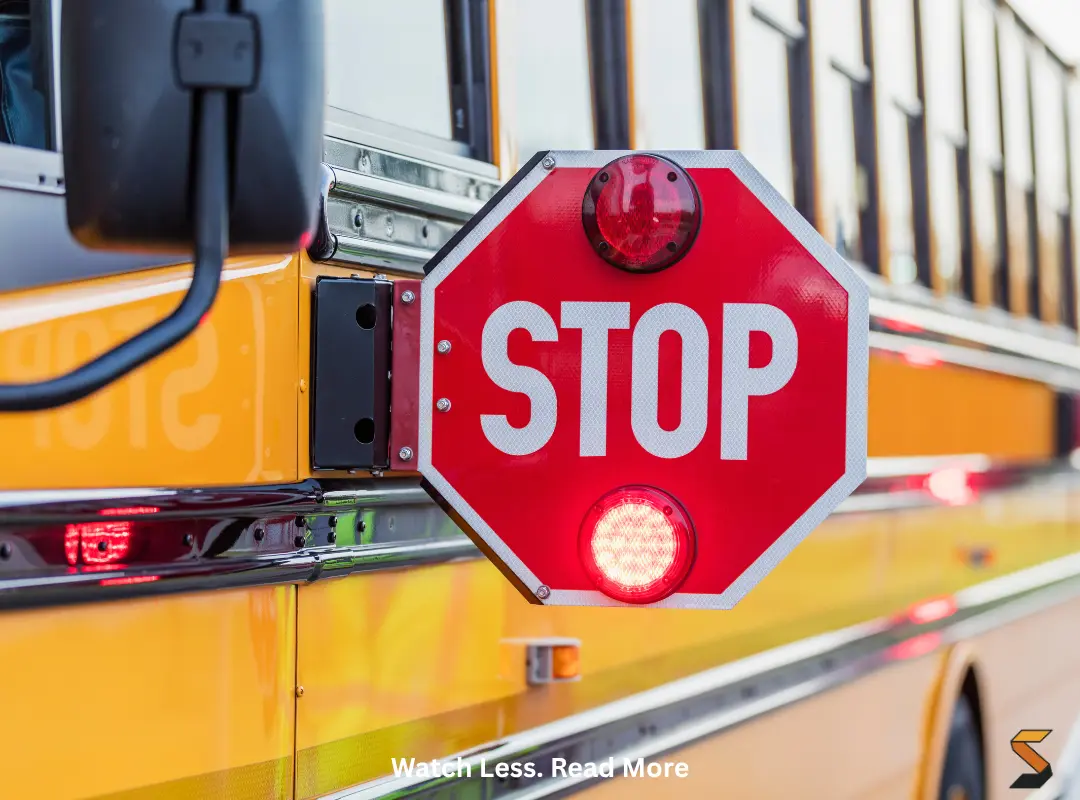
New York parents and school administrators have been watching the state's zero-emission school bus mandate with growing anxiety for months. Now, a legislative move that has been building since early spring is finally landing in the state budget, and for many districts, it could not have come soon enough.
State Senator Christopher Ryan (D-50) announced that his bill to delay New York's electric school bus deadline will be included in the 2026-2027 state budget, which Governor Kathy Hochul announced an agreement on May 7, weeks after the April 1 due date. If the budget is approved with the provision intact, school districts across New York will have significantly more time to make the costly transition to electric fleets, a pause that many administrators say is not just helpful but absolutely necessary.
Under the original New York school bus electrification law, districts were required to begin purchasing or leasing electric buses as early as 2027, with the full fleet transition deadline set for 2035. Senator Ryan's bill pushes both of those goalposts back by five years. The new timeline would give districts until 2032 to start acquiring electric buses and until 2040 to complete the full transition.
For the average parent, this means the yellow diesel bus picking up your child in the morning is not going away anytime soon, and local school budgets may be spared from capital expenditure spikes that were on the immediate horizon. For superintendents and transportation directors, the delay offers critical breathing room to assess what the technology can actually do before committing taxpayer dollars at scale.
"This literally puts the brakes on the mandate," Senator Ryan told CNY Central. "School districts are just not ready. Notwithstanding the availability, the affordability, the efficiency of the buses, but also I think a lot of this would be put back on the taxpayers. And right now, until we get it right, let's just put a five-year pause on this until we can ensure availability, efficacy and affordability."
The push for a delay is not simply about resistance to change. It is rooted in on-the-ground performance data that raised serious red flags about whether current electric bus technology can actually serve New York school districts, particularly those in colder, more rural parts of the state.
In May 2025, the Fayetteville-Manlius Central School District shared troubling results from its own testing. One of its electric buses nearly ran out of power after just 45 miles following two days of temperatures below 30 degrees. In a separate test, the battery only reached 50 percent charge and the bus completed roughly 42 miles of routes, and only after the driver shut off the heat entirely to conserve power. The bus also blew a fuse multiple times while charging in the cold.
These are not isolated complaints from one reluctant district. Senator Ryan said the feedback he has received from administrators across the region has been nearly unanimous. "What we've heard pretty much unanimously is that they haven't really worked. Whether it's geography, whether it's cold weather, turning on the heat in the wintertime drains the battery, how far they can go back and forth on a charge, again the affordability, the availability. The concept is well and good, but just as of right now, it's just really too soon," he said.
Adding weight to those concerns, the New York State Energy Research and Development Authority (NYSERDA) acknowledged in March 2026 that the electric bus range estimates used to support the mandate were based on projections and modeling rather than fully real-world tested data. NYSERDA stated those projections did account for both favorable and poor weather conditions, but for districts that have lived through the reality, that explanation has done little to build confidence.
Not every district reported the same experience. The Newfield Central District in Tompkins County tested its electric buses in May 2025 and reported no issues, a reminder that geography and route conditions play a major role in outcomes. But the broader pattern of underperformance in colder climates has been difficult to ignore at the legislative level.
Farmingdale Bus Tragedy Demands a Culture Shift in Student Safety
Beyond the technology concerns, Senator Ryan pointed to a very practical financial pressure that helped shift conversations in Albany this spring. As districts began building their annual budgets, the cost of school bus electrification compliance started showing up in capital improvement projections in ways that alarmed local officials and the communities they serve.
"Recently the conversations changed with school districts putting up their budgets, and those budgets are going to be, because of next year, passing exponential increases to capital improvement, just because of the cost. And I think there is an appetite," Ryan said, referring to growing support among state lawmakers for hitting pause on the current timeline.
For families in New York, especially in communities where school tax levies are already a point of tension, the prospect of budget increases driven by fleet electrification costs was a real and immediate concern. The delay, if finalized in the budget, removes that pressure in the short term and buys time for the technology and the market to mature.
It is worth noting that the push to delay is not without its critics. Environmental advocates and clean air organizations have long championed the zero-emission school bus program, arguing that diesel exhaust poses a documented health risk to children, particularly those with asthma and respiratory conditions. They contend that delays push back health benefits that communities of color and lower-income neighborhoods, where bus depots are often located, are already overdue to receive.
The original mandate also came with federal and state funding support designed specifically to help districts manage the cost of transition. Advocates worry that prolonged delays could result in districts missing funding windows or that federal support for clean transportation programs could shrink in a shifting political climate. These are legitimate counterarguments that families and school boards should weigh alongside the operational concerns driving the delay.
The state budget still needs to pass with this provision intact.
While Governor Hochul's office announced a framework agreement, the details of what makes the final cut remain in motion. The Standard NY will continue tracking this legislation as the budget process concludes.
In the meantime, parents and community members who have strong feelings about this issue in either direction should contact their local school board members and state legislators. School boards are still navigating their annual budget votes this spring, and the cost assumptions embedded in those documents may shift depending on how the state budget lands. Understanding what your district was planning to spend, and what that figure looks like under the new timeline, is exactly the kind of informed advocacy this community deserves.
The New York electric school bus delay is ultimately about more than buses. It is a test of how the state balances ambitious environmental policy with the practical realities of implementation, taxpayer impact, and the trust that school communities place in the systems they fund. Getting that balance right matters, and keeping a close eye on how it plays out is exactly what informed New York families and educators should be doing right now.


Comments (0)
No comments yet — be the first to share your thoughts.
Leave a comment