
Most policy announcements land with a press release, a podium, and a room full of reporters checking their phones. This one landed differently for thousands of New York educators this month. It arrived as an email, signed personally by Commissioner Betty A. Rosa, opening with "Dear Colleagues" and closing with a wish for a restful summer. Tucked in the middle, between a congratulations to the Class of 2026 and a note about taking time to "rest, reset, and enjoy a well earned break," was the announcement of what state officials are calling the most significant change to how New York defines a high school diploma in more than a century.
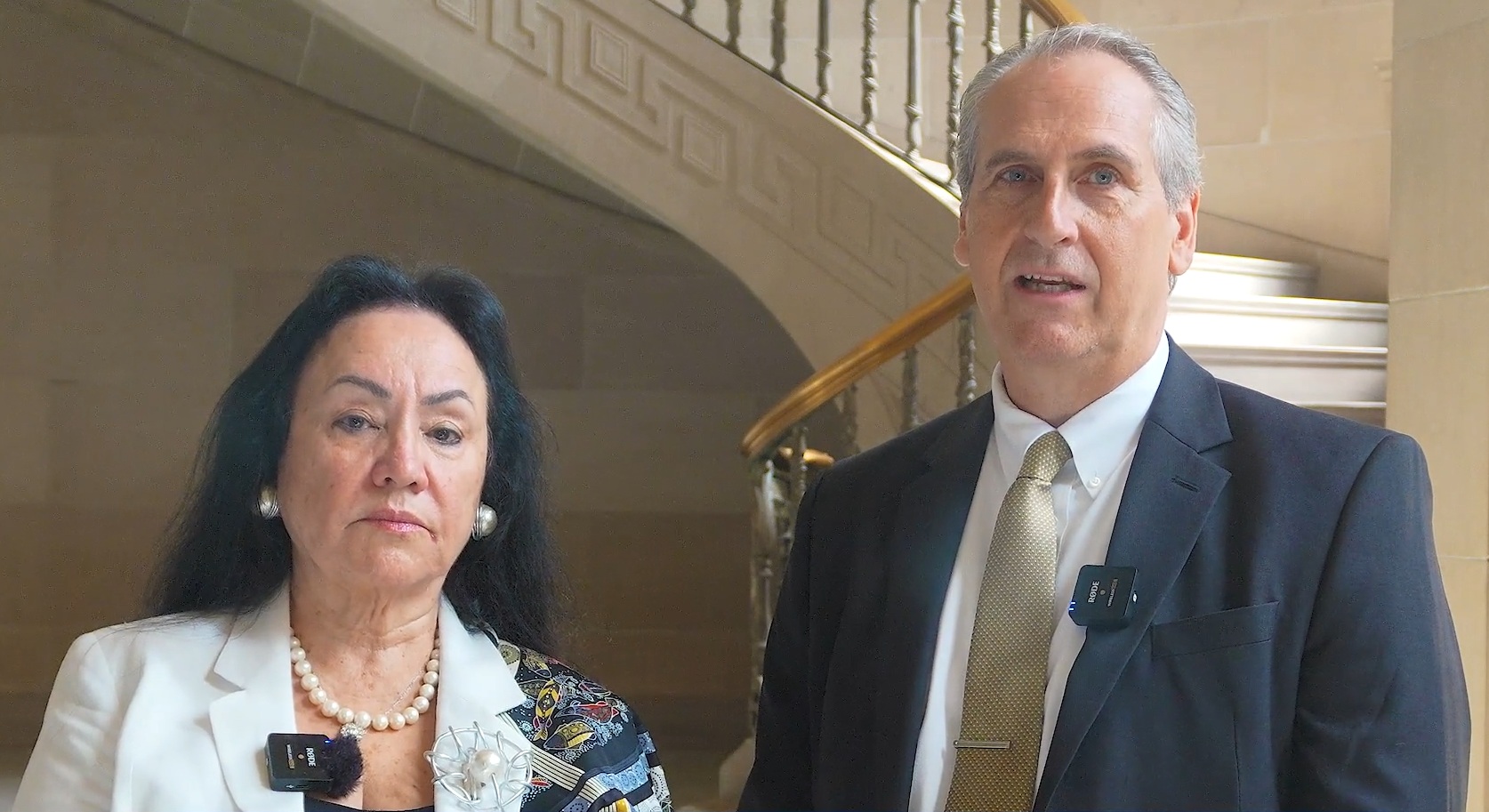
The vehicle was informal. The substance was not. At its June 2026 meeting, the New York State Board of Regents and the State Education Department outlined the next phase of NY Inspires, the multiyear effort to move the state away from measuring learning in classroom hours and toward measuring what students can actually demonstrate. The Commissioner's letter, paired with a short video featuring her and Senior Deputy Commissioner Jeff Matteson, was the version of the announcement written for the people who will have to carry it out. It is worth reading closely, because the tone of that letter says almost as much as the policy itself.
What the Next Phase of NY Inspires Actually Announced
Strip away the ceremony and the change is specific. New York is moving toward a competency-based diploma, a system in which graduation requirements are built around demonstrated readiness rather than seat time, the decades-old practice of awarding credit based on hours spent in a classroom. Under the new framework, students will show what they know through evidence gathered over time, including projects, internships, and capstone work, rather than relying primarily on a single test or a fixed number of instructional hours.
Board of Regents Chancellor Lester W. Young Jr. described the shift as a reimagining of what a diploma is meant to signify, one that opens multiple rigorous paths to the same high statewide expectations rather than forcing every student through an identical track. Commissioner Rosa was more direct about what the state is trying to prove. "New York is leading the nation," she said in the department's official announcement, framing the change as a matter of rigor rather than a lowering of the bar. She continued, "This is not about lowering standards, it is about redefining how students demonstrate that they have met them. By focusing on demonstrated readiness rather than accumulated seat time, New York is creating a system that is more rigorous, more relevant, and more responsive to the strengths and aspirations of every learner. What we’re doing is not an incremental change to our current model; it is a nation-leading transformation that redefines what a diploma represents and how students demonstrate readiness for the future."
The announcement carried outside endorsement as well. Edmund W. Gordon, an emeritus professor whose work has shaped decades of assessment reform, argued the shift aligns testing more closely with the real purpose of teaching, allowing students to show readiness through a fuller body of evidence rather than a narrow score. Howard T. Everson, a professor who has spent his career studying educational measurement, described the move as a step beyond standardized-test compliance toward capturing what students actually know, while noting that preserving rigor is the real test of whether the reform holds up in practice.
The new diploma will be grounded in the state's Portrait of a Graduate, a framework the Board of Regents adopted in July 2025 that defines the skills every graduate should be able to demonstrate, among them critical thinking, communication, and career and technical readiness. The Education Department has said it will build out statewide performance standards and common rubrics so that a diploma means the same thing whether a student earns it in Buffalo or the Bronx.
The Timeline Families Should Actually Track
Nothing changes for any student currently enrolled in high school this fall. That distinction matters, because the biggest source of parent confusion around this rollout has been the gap between what is proposed and what is currently required. Until the Board of Regents formally approves specific regulatory amendments, existing graduation requirements stay in effect, including the requirement to sit for state exams.
The rollout itself is staged. School districts are expected to receive new rubrics and guidance tied to the Portrait of a Graduate during the 2026-2027 school year, alongside new financial literacy and climate education requirements. Ninth graders entering in 2027 are the cohort most directly affected first, with updated credit requirements and the point at which passing Regents exams is no longer required to graduate, though the exams themselves will continue in some subjects because federal law requires the testing. Full statewide implementation, including a new transcript that documents proficiency against both academic standards and the Portrait of a Graduate, is targeted for students entering ninth grade in the 2029-2030 school year. In practical terms, a rising kindergartner will graduate under a fundamentally different system than their older sibling did.
Readers who want the full mechanics, including exactly what changes for each cohort and what stays the same for now, can find the complete breakdown in The End of Seat Time: How New York Is Rewriting What a Diploma Means, which walks through the four transformations behind this policy in detail. Families specifically weighing what the current Regents rules still require this year should also see our earlier explainer on what remains in effect while the transition plays out.
Why the Letter, Not Just the Policy, Is the Story
It would have been easy for the department to fold this announcement into the same press release format it has used for every prior phase of NY Inspires. Instead, someone made a choice to route it through a personal message to the workforce that has to implement it, timed to land the same week as graduation ceremonies across the state. That choice is its own small piece of evidence about how the New York State Education Department wants this reform to be understood, not as a mandate dropped from Albany, but as something built alongside the educators executing it.
The letter leans on that framing directly, crediting teachers for seeing student growth and potential "in ways no framework ever could," a notable admission from the agency writing the framework. Whether that goodwill survives contact with the actual workload of redesigning rubrics, retraining staff, and building new assessment systems over the next several years is a separate question, one this publication will keep tracking as districts begin implementation planning this fall. For now, the letter reads as an attempt to make a sweeping structural change feel like a shared project rather than a top-down order, arriving in the same week the state was celebrating the Class of 2026, the last cohort to graduate entirely under the system this reform is designed to replace.
What Comes Next
The formal mechanics still require Board of Regents votes before specific regulatory changes take effect, and department officials have said they expect additional guidance and rubrics to reach districts throughout the next two school years. For families with students not yet in high school, the most useful thing to do right now is simple: watch for district-level communication when the 2026-2027 rubrics arrive, and understand that career and technical education is being built into the credit structure alongside academics, a shift that pairs directly with the kind of certification-first career paths our network partner Sonic Boom New York has been tracking as viable, high-wage alternatives to a traditional four-year track.
For everyone else, the honest takeaway is patience paired with attention. This is a multiyear transformation being built in public, in phases, with real votes still ahead of it. The Commissioner's letter was a signal that the state wants educators, and by extension families, along for that process rather than reading about it after the fact. Whether that holds is the part worth watching.


Comments (0)
No comments yet — be the first to share your thoughts.
Leave a comment