
For nine months of the year, a working assumption holds in most households with school-age kids: breakfast and lunch are, at least partly, somebody else's job. Then the last bell of June rings, the cafeteria goes dark, and roughly ten weeks of meals land back on the family budget all at once. That quiet shift is the entire reason a program called Summer EBT exists, and right now it is moving money to millions of children. The catch is that the word most families hear about it, "automatic," is true for many and dangerously misleading for the rest.
Here is the part worth slowing down for. A child can be obviously low-income, attend a school where every student eats free, and still receive nothing this summer unless the right box was checked in the right system. Knowing which side of that line your family falls on is the difference between a deposit and a missed benefit you may not realize you lost.
What the benefit actually is
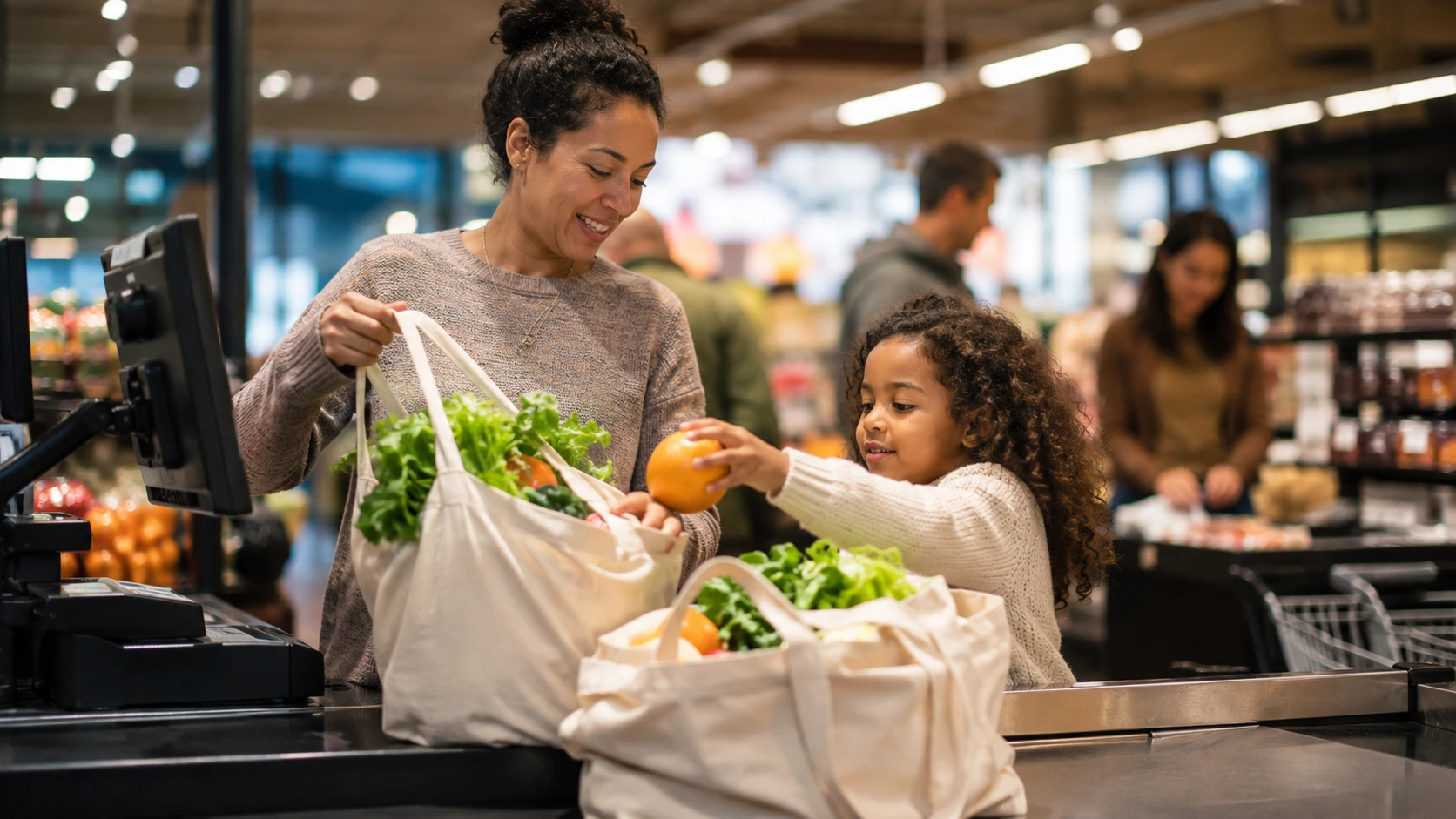
Summer EBT, branded nationally as SUN Bucks, is a federal grocery program that New York administers through the state's Office of Temporary and Disability Assistance. For 2026 it provides a flat $120 grocery benefit for each eligible child, issued once for the summer. The money is loaded onto an EBT card and spends exactly like SNAP at grocery stores, farmers markets, and many SNAP-authorized online retailers. New York began issuing 2026 benefits on June 16 and will continue throughout the summer, so a deposit arriving in July is normal, not a sign something went wrong.
It is genuinely meaningful help. The Federal Reserve has repeatedly found that a large share of American adults could not cover a sudden $400 expense without borrowing or selling something, which is the same arithmetic that turns a child's summer lunches into a household stressor. A predictable grocery cushion, even a modest one, lands differently when the school cafeteria closes.
Who gets it without lifting a finger
Most eligible kids are enrolled through automatic enrollment, and they fall into one of two groups. The first is children ages six to sixteen who received SNAP, Temporary Assistance, or Medicaid at any point during the eligibility window of July 1, 2025 through September 8, 2026. The second is children of any age who were directly certified for free or reduced-price meals through the National School Lunch Program. That second group is broader than parents assume: it includes children identified as homeless, migrant, in foster care, or enrolled in Head Start, along with those approved through a meal application at a non-provision school.
If your child fits either path, the state mails an eligibility letter and, in many cases, a text message, then loads the benefit. New families receive a new card in their child's name. Households that used any of their 2025 benefit see the 2026 money reload onto the existing card. One detail trips people up every year: the funds are never added to a parent's regular SNAP card. Each child gets a separate card, so watch the mail for it.
The trap that quietly costs families the money
This is the sentence to read twice. Attending a school that feeds every student free does not, by itself, qualify a child for Summer EBT. Many New York schools serve universal free school meals through the Community Eligibility Provision, a setup that lets a building skip individual meal applications entirely. It is a good thing during the school year. It is also exactly why some families fall through the cracks in summer, because without an individual record of SNAP, Medicaid, or a certified meal application, the system has nothing to flag the child as eligible. The state spells this out plainly in its official program guidance: enrollment in a school that offers free meals to all students cannot be used to establish Summer EBT eligibility on its own.
The practical takeaway is uncomfortable but useful. The lower your visible paper trail with the state, the more likely you are to be the family that has to act rather than the family that gets the automatic deposit.
What to do if nothing shows up
There is a clean, low-effort way to protect yourself. If you have not received an eligibility letter by August 1, 2026, call the Summer EBT helpline at 1-833-452-0096 and ask about your child specifically. If you believe your household qualifies on income but never got a notice, you can submit a Summer EBT application online, available in multiple languages, and the application deadline is September 8, 2026. Income-based applicants generally need a household income at or below 185 percent of the federal poverty level, and some applications trigger a short income-verification step, so keep a recent pay record handy.
This is the same instinct careful families already bring to other summer offerings, the way a smart parent reads the fine print on a "free" camp before signing up. Family Symposium's look at the hidden costs of free summer programs is a good companion read, because the lesson is identical: free does not mean effortless, and the families these programs are built to serve are often the ones who have to push hardest to access them.
Use it, guard it, and stack it
Two housekeeping points matter. First, the benefit expires. Funds are removed from the card 122 days after they are issued, so this is not money to sit on. Second, summer hunger programs have become a target for card-skimming theft, and stolen benefits are often not replaced, so set a PIN and use your card's freeze feature between purchases. Receiving Summer EBT does not reduce your SNAP, affect your immigration status, or count against public charge, which removes one of the most common reasons eligible families hesitate.
It also does not have to stand alone. The USDA's SUN Meals program serves free breakfast and lunch to any child eighteen and under at parks, libraries, and community sites all summer, with no application, no ID, and no income check. A family can use both. And food is only one of the gaps that open when school lets out. The same households juggling summer groceries are often the ones stretching to keep kids learning, which is why free summer resources matter so much; our guide to making summer reading work on any budget covers the library cards, apps, and programs that fill that second gap at no cost.
Programs like this succeed or fail on a single unglamorous factor: whether the right family hears about them in time. The deposit is automatic for most. For everyone else, the clock runs to September 8, and the only thing standing between a child and a hundred and twenty dollars of groceries is a phone call most parents do not know they are allowed to make.


Comments (0)
No comments yet — be the first to share your thoughts.
Leave a comment